 Wildlife
of Bolivia
Puma
Cats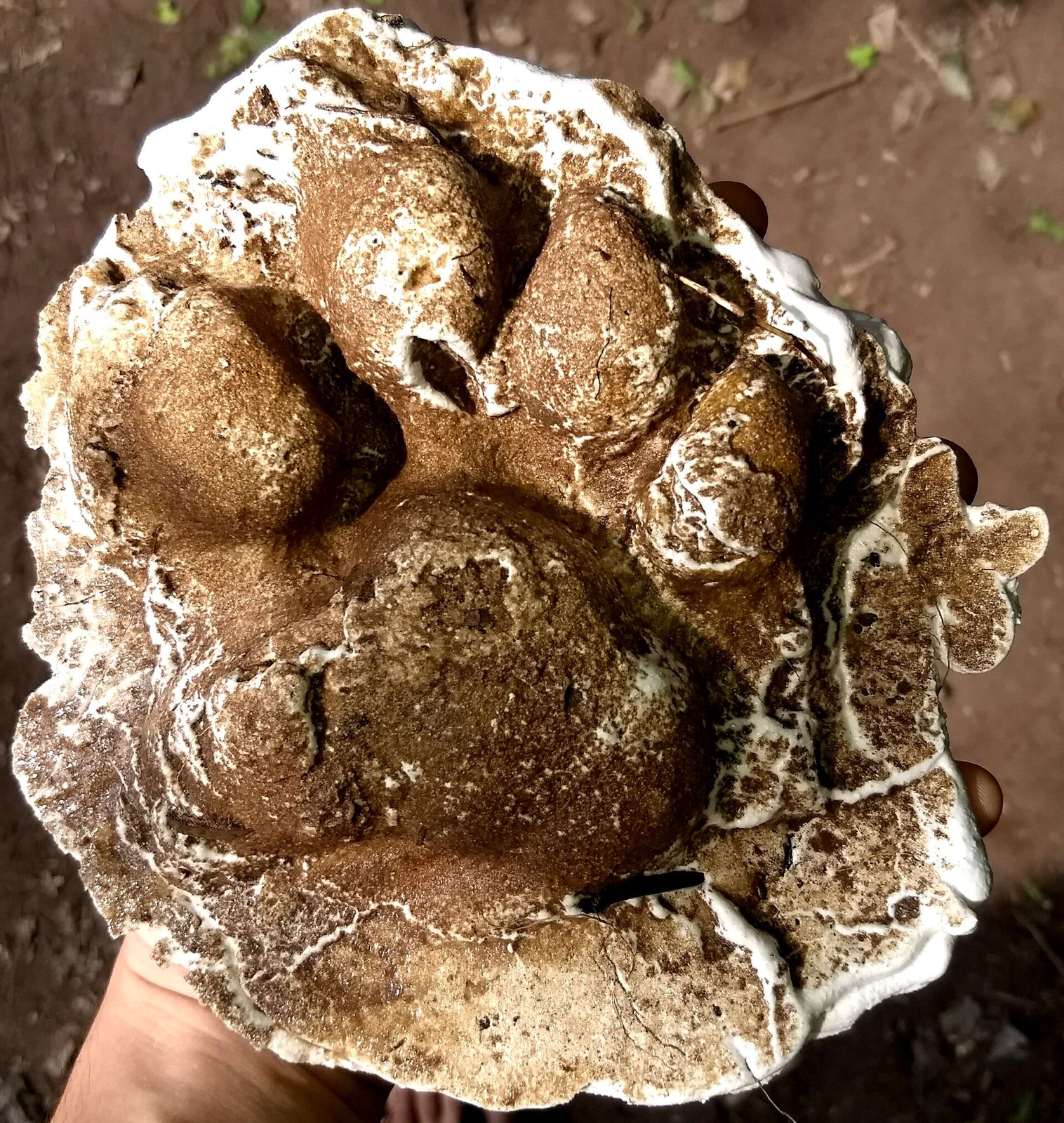
Photo: Gionorossi · CC BY-SA 4.0
Puma concolor
Basic stats
Diet
Mainly deer and other ungulates, with rodents also taken; deer-sized prey is considered essential for viable populations
Habitat
Remote, rugged terrain with cover for stalking and denning, from sea level to more than 4,000m; from mountain conifer forest to subtropical hardwood hammocks and palm forest
Range
From Yukon in Canada through the western United States and Mexico to the Amazon and the southern Andes of Patagonia
Litter size
Average two, ranging from one to four
Gestation period
92–96 days
Size
Males about 2.4m and females about 2.05m from nose to tail tip; tail 63–95cm; 60–90cm at the shoulder
Weight
Males 53–72kg, sometimes up to 120kg; females 34–48kg
The puma is a large, slender and agile cat with a round head, erect ears and powerful forequarters, neck and jaws for holding large prey. It has four retractile claws on each hind foot and five on each forefoot, one of them a dewclaw. It is the fourth largest cat species. It is not a true lion of the genus Panthera and cannot roar, and it is known by many names, including cougar, mountain lion, catamount and panther (Wikipedia, general species account).
The puma is largely solitary and mainly active at dusk and at night, although its activity pattern varies with protection and prey. It is an ambush predator that pursues a wide range of prey and is territorial. Annual home ranges run from about 50 to more than 1,000 km2 and depend on terrain, productivity and prey (Handbook of the Mammals of the World; Wikipedia, general species account). Male ranges are generally more than twice the size of female ranges, and males fight for breeding rights. The basic social unit is the female and her kittens, which stay together for 10 to 24 months. Breeding can occur at any time of year, and females are first known to breed at about 18 months (Handbook of the Mammals of the World).
Bolivia lies within the puma's range. The Madidi-Tambopata landscape in Bolivia and Peru has pumas active through the day with a tendency toward night activity that overlaps with their prey (Wikipedia, general species account). The subspecies P. c. acrocodia is recorded from south-east Bolivia (Handbook of the Mammals of the World), and hunting the puma is prohibited in Bolivia (Wikipedia, general species account). On this guide it is a target species of Chiquitania & Jesuit Missions, Jaguarland Reserve, Kaa-Iya del Gran Chaco National Park and Amboro National Park.
Quick answers
- What does the Puma eat?
- Mainly deer and other ungulates, with rodents also taken; deer-sized prey is considered essential for viable populations
- What habitat does the Puma live in?
- Remote, rugged terrain with cover for stalking and denning, from sea level to more than 4,000m; from mountain conifer forest to subtropical hardwood hammocks and palm forest
- Where is the Puma found?
- From Yukon in Canada through the western United States and Mexico to the Amazon and the southern Andes of Patagonia
- What is the litter size of the Puma?
- Average two, ranging from one to four
- How long is the gestation period of the Puma?
- 92–96 days
- How big is the Puma?
- Males about 2.4m and females about 2.05m from nose to tail tip; tail 63–95cm; 60–90cm at the shoulder
- How much does the Puma weigh?
- Males 53–72kg, sometimes up to 120kg; females 34–48kg